Valorant low cortisol aim builds calm Phoenix precision you can copy in ranked
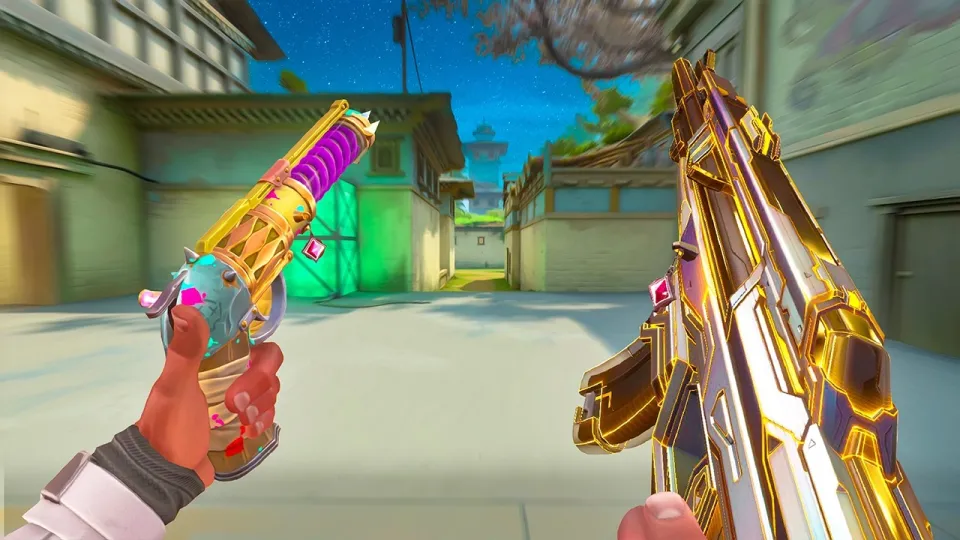
Video: low cortisol aim..
You can order the same kind of articles for your own video to boost it on YouTube and Google. Just message the Telegram bot @sat_sit_bot. The bot writes and publishes the articles itself (with your YouTube video embedded) on popular topical websites (no ads). Free trial — 50 articles.
Low cortisol aim in Valorant is a relaxed, low-stress aiming style where crosshair placement and decision-making replace panic flicks, and it is exactly what Rawzu demonstrates on Phoenix in the "low cortisol aim.." upload. The idea is simple: keep your hands loose, pre-aim the angle before you swing, and let the enemy walk into a shot you already prepared. If you want the same frame stability the clips are built on, start with the PC optimization page at hone.gg/a/rawzu, which Rawzu links as his own optimization partner.
The style is not about having slow reactions. It is about removing the extra motion — the wrist jerk, the over-correction, the second flick after the first one missed — that turns a clean duel into a coin flip. Phoenix suits it because his kit rewards going in first with a plan rather than reacting late.
What low cortisol aim actually means in Valorant
Low cortisol aim is a training mindset, not a hardware spec: you aim from a calm baseline so the shot happens once, on time, without a spike of tension. In practice it shows up as crosshair placement at head height on the next angle, small micro-adjustments instead of wide swipes, and a willingness to stop shooting when the target is already dead.
Three habits define it:
- Pre-aim before the peek. The crosshair is already on the corner where a head will appear, so the shot needs millimeters of movement, not a full swipe.
- Breathe and reset between duels. Tension in the forearm is what produces overshoot; a deliberate reset after each kill keeps the next shot identical to the first.
- Commit to one speed. Calm aim looks slow on stream because the player is not adding unnecessary flicks, but the first bullet still arrives on time.
The comment section of the video picks up on this split directly — viewers call the aim impressive but the movement the standout, which is the tell of a low-stress style: the mechanics look quiet because the positioning did the hard work.
Rawzu's exact Valorant settings and peripherals
Rawzu's Valorant setup is built around a low sensitivity and a high refresh rate, which is the standard foundation for calm, repeatable aim. The values are listed in the video description and are worth copying one at a time rather than all at once.
- Sensitivity: 400 DPI with 0.625 in-game, an effective eDPI of 250.
- Resolution: 1440x1080, a stretched 4:3-style aspect that widens targets on screen.
- Crosshair: 1-6-2-2.
- Mouse: Logitech G Pro X Superlight 2.
- Mousepad: Artisan Zero Soft.
- Monitor: Zowie XL2566K at 360Hz.
A 250 eDPI is on the slow side for Valorant, and that is the point: a slower sensitivity forces arm movement and larger, smoother arcs, which makes overshoot less likely under pressure. The Artisan Zero Soft gives enough stopping power for those arcs to end where you want them, and the 360Hz panel shortens the gap between what you see and what you can react to. None of it creates calm aim on its own, but it removes the excuses that make panic aiming feel necessary.
How Phoenix's kit supports a low-stress duelist
Phoenix is an offensive Valorant agent who specializes in hunting enemies down while crippling their ability to fire back, which makes him the natural pick for a calm entry style. His kit gives you tools to control the terms of a fight before the aim duel starts.
- Blaze creates a wall that blocks vision and deals damage, letting Phoenix cross open, defended areas without walking into a pre-aimed angle.
- Curveball is a flash that blinds enemies even when they are holding behind corners, so the first peek is not a guess.
- Hot Hands applies a fire zone that damages opponents and heals Phoenix, which extends how long he can hold a fight.
- Run it Back is the ultimate that lets him die, respawn at his marker and re-enter the round, so an aggressive first contact is not a round-ending mistake.
That combination is why players who like to play aggressively enjoy the agent. For low cortisol aim specifically, Curveball is the key ability: a flash that lands before you swing converts a reaction test into a prepared shot, and prepared shots are the whole point.
Reading the clips like a player, not a highlight reel
The "low cortisol aim.." video is a Phoenix gameplay montage on Icebox-style maps with a deliberately quiet presentation, and the audience reaction says more about the style than any single frag. Several comments fixate on unexpected angles and on opponents appearing where they should not be, which is what pre-aiming and off-angle movement look like from the outside.
The recurring themes in the comments are worth turning into practice notes:
- Viewers repeatedly flag the movement rather than the flicks as the impressive part, so review your own demos for pathing and counter-strafe timing before you blame your aim.
- A few comments ask about the audio, because the clips lean into an ASMR-adjacent, satisfying presentation; treat the sound design as editing, not as a guide to in-game audio settings.
- Others ask for another settings video, which is the practical takeaway: the numbers are the easiest thing to copy, the calm is the part that needs reps.
There is also a running joke in the comments about how the video's content drifts between clips, and a couple of reactions to a moment that reads as an accidental voice line. None of that changes the mechanical lesson: the kills come from angles that were chosen before the gunfight, and the crosshair is already waiting when the enemy appears.
A practical routine for building calm aim in Valorant
Calm aim is trainable, and the fastest route is to separate aiming practice from decision practice instead of grinding deathmatch on autopilot. Set up a short routine you repeat daily and change only one variable at a time.
- Warm up with static targets at head height for five minutes, focusing on stopping the crosshair dead rather than flicking fast.
- Run one deathmatch where you are not allowed to take a fight you did not pre-aim — if the crosshair was not on the angle, you disengage.
- Play a Phoenix game and force one Curveball entry per half, so flashing before the swing becomes automatic.
- Review the demo at half speed and count over-corrections: every extra flick after the first shot is a habit to remove.
- Keep sensitivity fixed for at least two weeks. A 250 eDPI setup only feels natural after the arm has adapted to it.
If frame drops or stutter are part of why your aim feels jumpy, the optimization page at https://hone.gg/a/rawzu is the first thing to check, since inconsistent frame times make calm crosshair placement much harder to hold.
Useful links
All of the links Rawzu lists with the video, kept exactly as published:
- PC optimization for Valorant: hone.gg/a/rawzu
- Original music on Spotify: https://open.spotify.com/artist/6DbATPR1PTNMx7U918bg1Q
- Discord community: https://discord.gg/axnFwyvxp3
What to take away from Rawzu's calm aim approach
Low cortisol aim is not a secret sensitivity or a hidden crosshair code — it is the discipline of preparing every shot before the fight starts, and Rawzu's Phoenix gameplay is a clean demonstration of what that looks like in a real match. Copy the 400 DPI / 0.625 setup, the 1440x1080 resolution and the 1-6-2-2 crosshair as a starting point, then spend your practice time on pre-aim, counter-strafing and breathing instead of flick speed. Use Phoenix's Curveball and Blaze to turn duels into prepared shots, and let Run It Back absorb the mistake when an entry goes wrong. The channel Rawzu is the source of this breakdown, and if you want the same stable baseline the clips are built on, start with hone.gg/a/rawzu before your next ranked session.
Key takeaways
- Rawzu runs 400 DPI with 0.625 in-game sensitivity, a 1440x1080 stretched resolution and crosshair 1-6-2-2.
- Hardware in the setup: Logitech G Pro X Superlight 2, Artisan Zero Soft mousepad and a Zowie XL2566K 360Hz monitor.
- Low cortisol aim means aiming from a relaxed state: slower crosshair placement, no panic flicks, decisions made before the fight starts.
- Phoenix is the agent on show: Blaze walls block vision and deal damage, Curveball blinds even around corners, Hot Hands and Run It Back keep him alive.
- The gameplay leans on calm tracking and movement rather than highlight flicks, which is why viewers single out the movement over the aim.
Source: low cortisol aim.. · Markdown version
Questions & answers
What does "low cortisol aim" mean in Valorant?
It describes a relaxed aiming style where crosshair placement, pre-aim and decision-making replace panic flicks. The player stays loose, takes one clean shot per target and resets between duels instead of adding extra corrections. The result looks slow on stream but the first bullet still lands on time.
What sensitivity and crosshair does Rawzu use?
Rawzu plays at 400 DPI with 0.625 in-game sensitivity, which works out to 250 eDPI, on a 1440x1080 stretched resolution. His crosshair is set to 1-6-2-2. He uses a Logitech G Pro X Superlight 2 on an Artisan Zero Soft mousepad with a Zowie XL2566K 360Hz monitor.
Why is Phoenix a good agent for a calm, aggressive playstyle?
Phoenix can control the terms of a fight before the aim duel begins. Curveball blinds enemies even behind corners, Blaze blocks vision and deals damage so he can cross open ground, and Hot Hands plus Run It Back keep him alive through an aggressive entry. That turns reaction tests into prepared shots.
Can I improve my aim by copying settings alone?
Settings only remove obstacles; they do not build the habit. A slow sensitivity and a high refresh monitor make calm aim easier to hold, but the improvement comes from pre-aiming angles, counter-strafing and reviewing demos for over-corrections. Fix your frame stability first, then keep the sensitivity unchanged for at least two weeks.